
Thank you for joining us for SEMIC 2025 in Copenhagen!
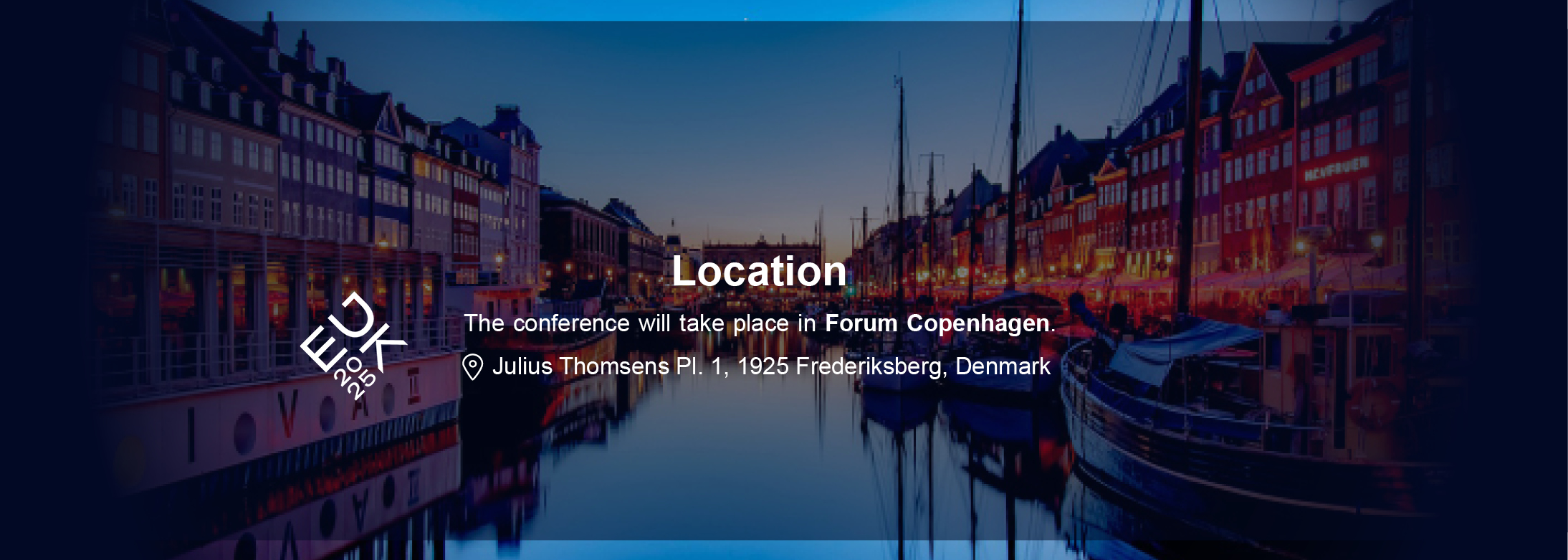
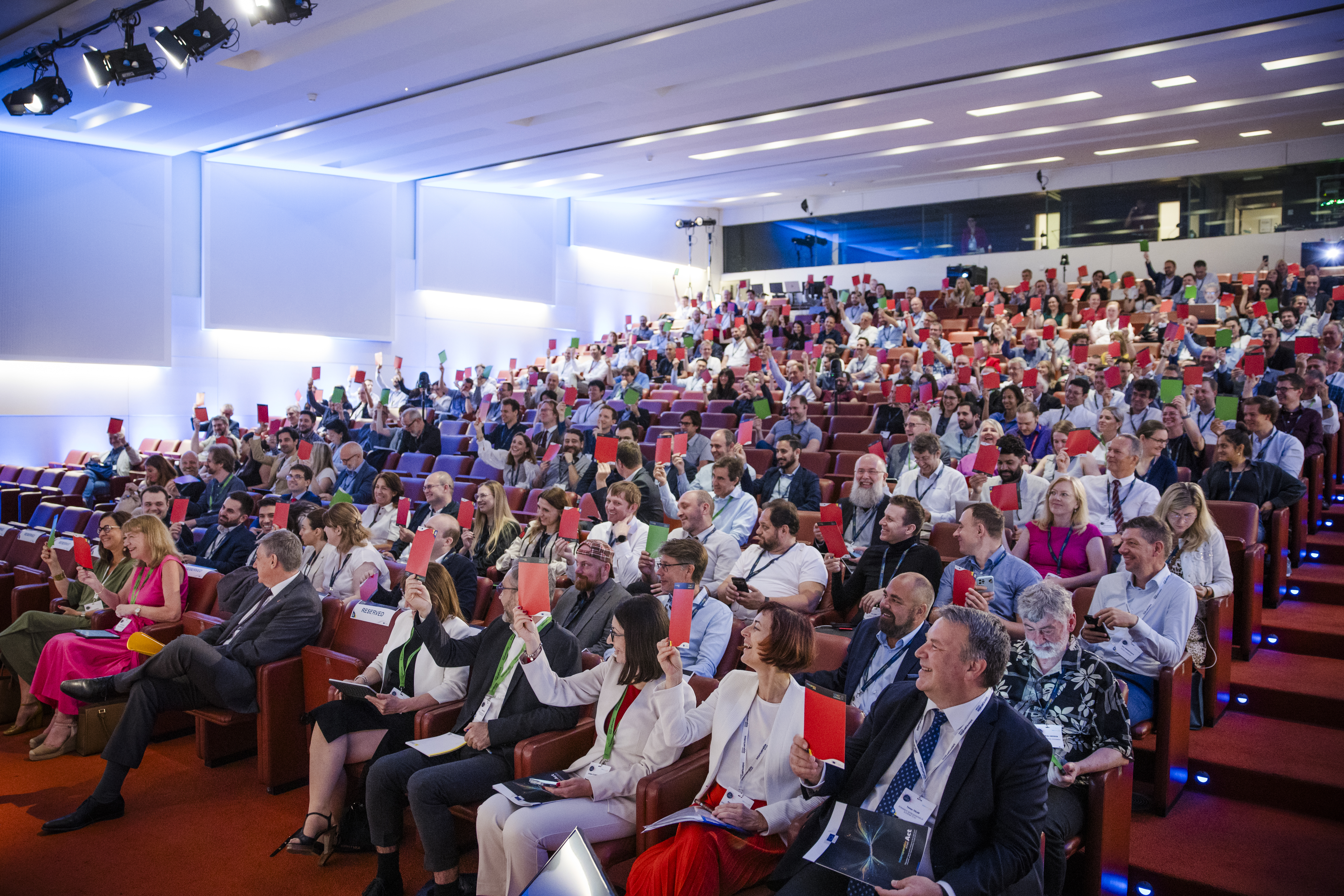
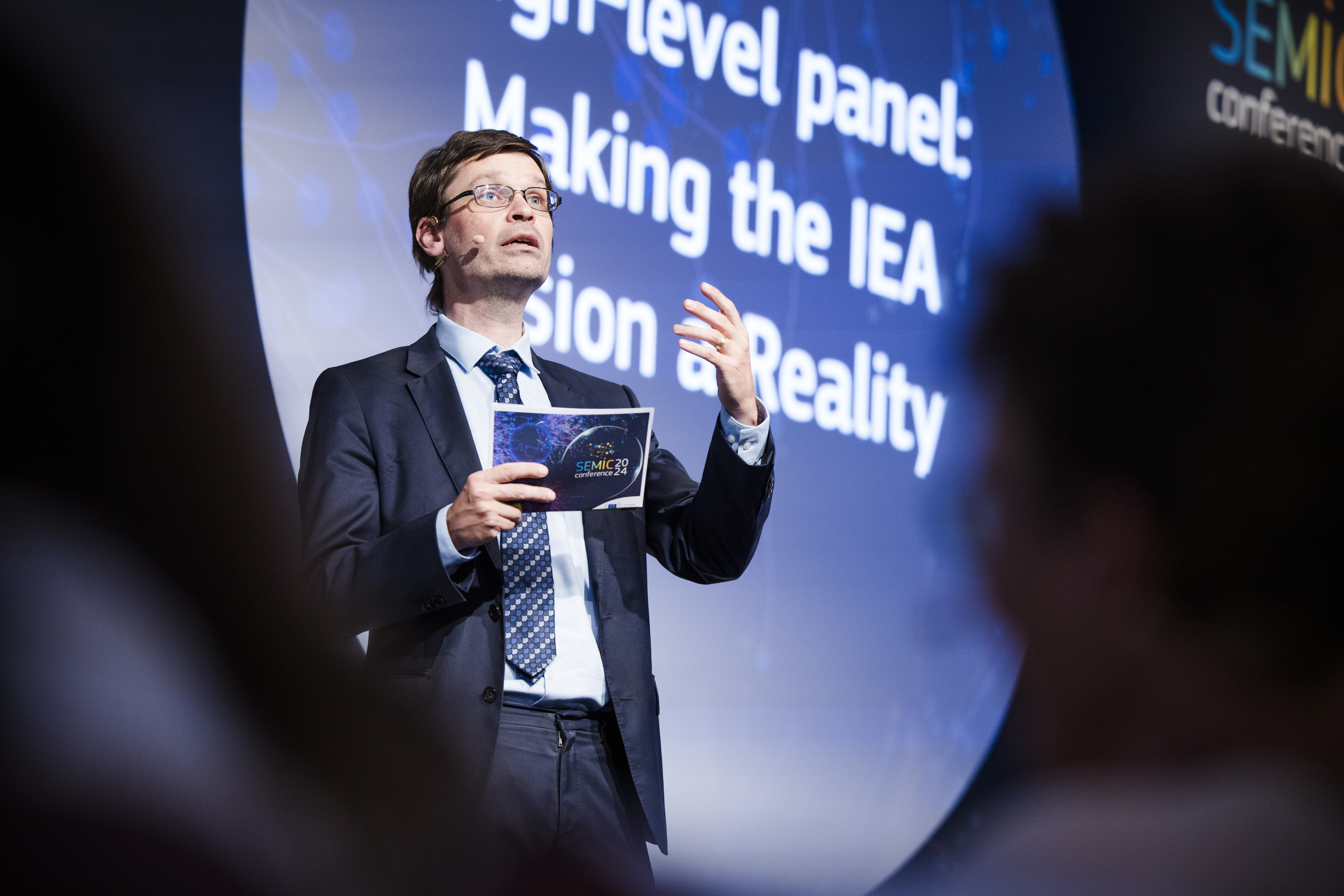
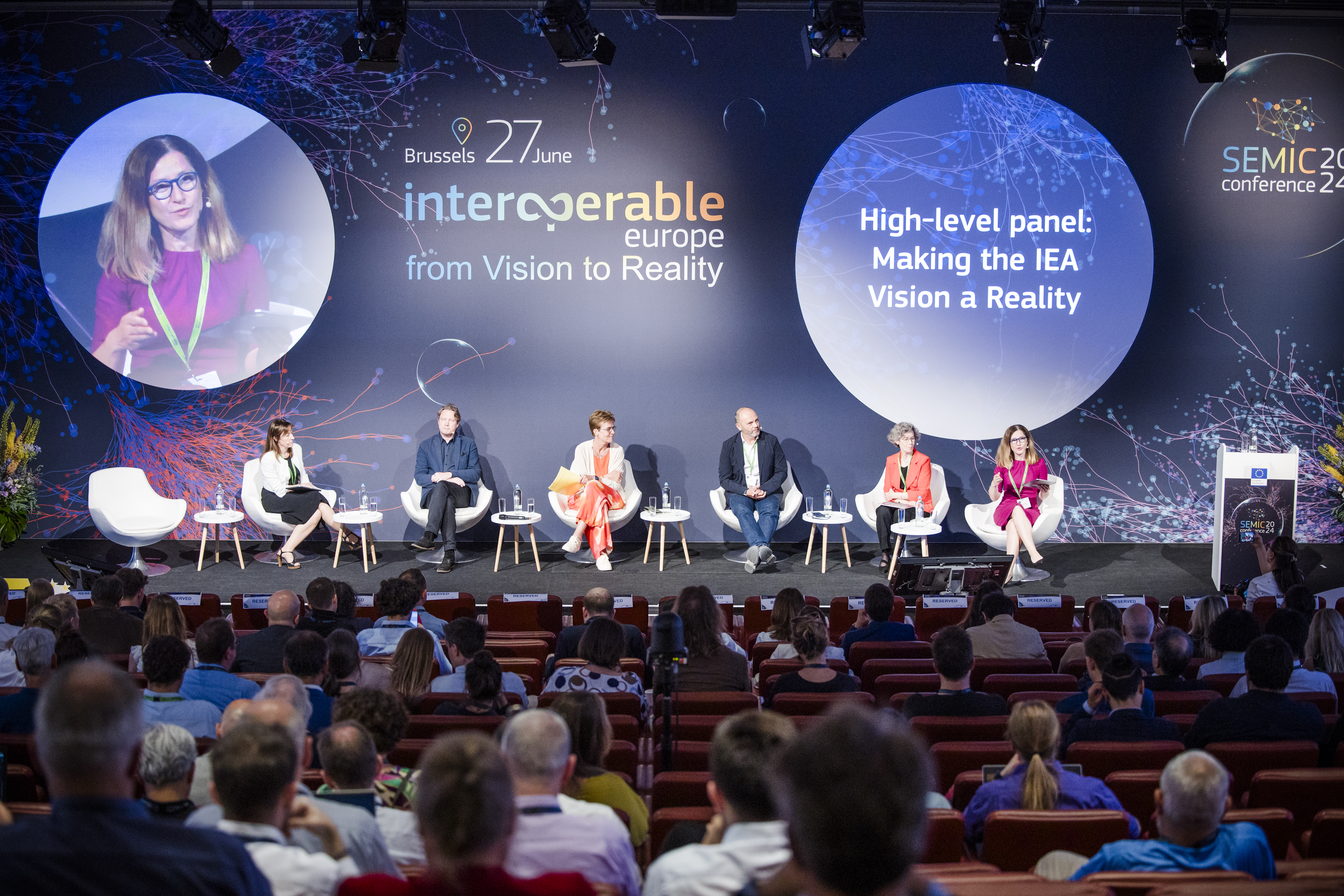
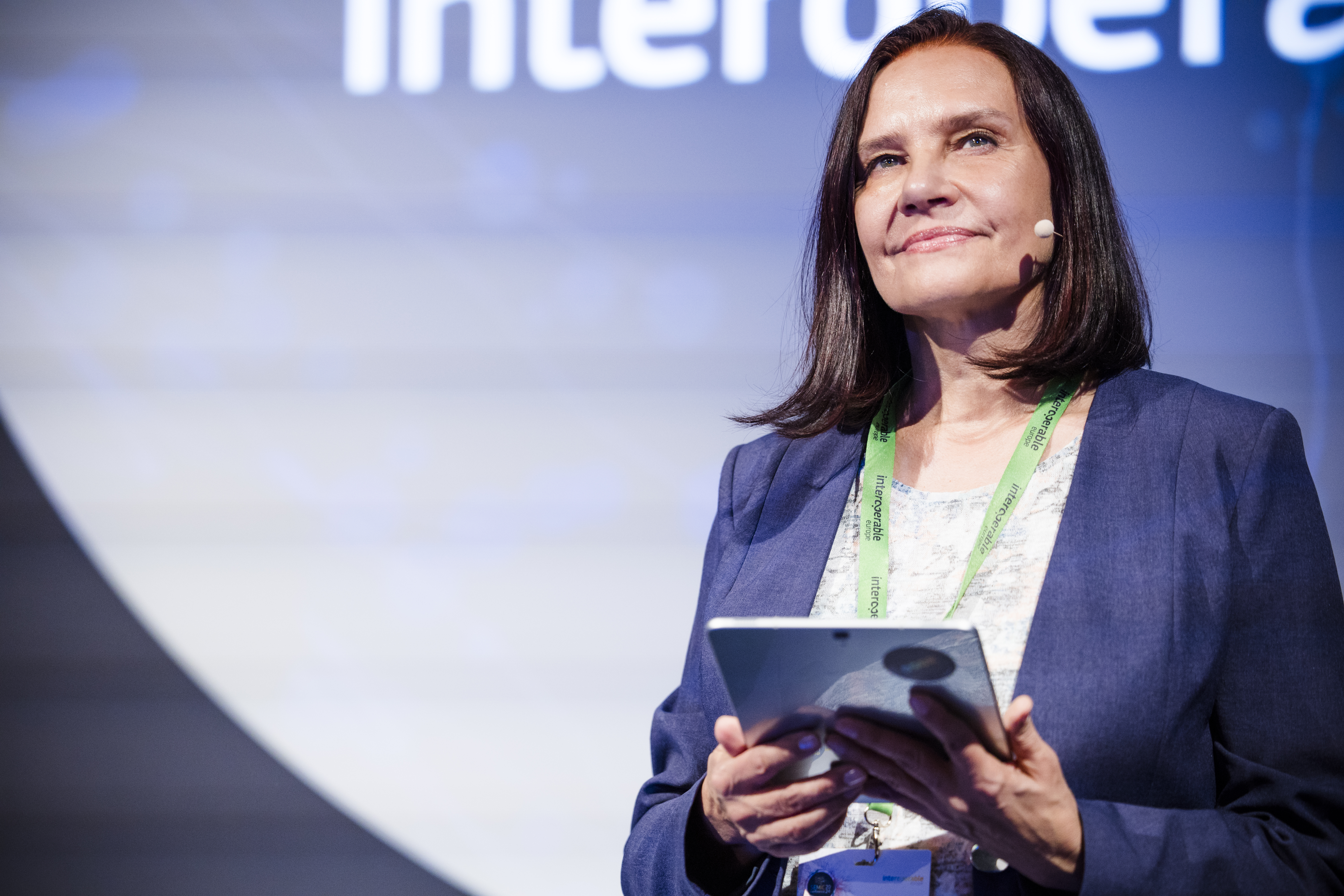
The SEMIC 2025 Conference took place on 25-26 November in Copenhagen, and was organised by the European Commission in partnership with the Danish Presidency of the Council of the European Union.
The 2025 conference focused on "Interoperability for Impact", aligning closely with the objectives of the Interoperable Europe Act. It showcased how interoperability directly supports EU digital goals, transforming visionary aspirations into tangible realities.
SEMIC 2025 addressed the critical role of interoperability in the public sector, examining concrete actions and policies that enhance connectivity across Europe’s digital public services.
SEMIC 2025 explored how interoperability can drive tangible impact across Europe's public sector. This year’s agenda centered on key topics shaping the future of digital government, including:
-
The role of semantics and artificial intelligence in enabling smarter, more connected public services
-
Advancing AI-driven interoperability to increase the efficiency and effectiveness of service delivery
-
Strengthening GovTech ecosystems to support innovation, competitiveness, and better access to digital markets
-
Rethinking and evolving the European Interoperability Framework
-
Embedding digital-ready and service design approaches into policymaking and more!
Through forward-looking discussions and collaborative sessions, SEMIC 2025 brought together leaders and stakeholder/practitioners to shape a resilient, innovative, and interoperable digital Europe.
SEMIC workshops
Building on its strong tradition of hands-on sessions, SEMIC 2025 once again featured a full day of technical workshops on 25 November. These sessions were designed to provide an immersive, skill-oriented experience focused on real challenges and actionable solutions.
This year’s programme covered a wide range of topics, including approaches to semantic modelling, with a comparative overview of current tools and methodologies. Participants also explored the evolving role of semantics in European data spaces, examining both the today's landscape and upcoming trends. Cross-border semantic interoperability remains a key focus - this time through real-world use cases from across Europe. In addition, the workshops addressed the intersection of semantics and legal frameworks.


SEMIC EXPO
SEMIC 2025 featured dynamic exhibition booths, offering an engaging platform for industry leaders, academia, and public sector representatives to present innovations, share success stories, and demonstrate state-of-the-art interoperability solutions.
Participants explored cutting-edge developments, network with experts, and discover tangible applications that drive digital transformation across public administrations.













ABOUT SEMIC
SEMIC is an initiative by the European Commission aimed at promoting semantic interoperability among interconnected e-Government systems. The SEMIC Support Centre marks the beginning of the journey towards an interoperable European administration, in alignment with the Interoperable Europe Act.
The Support Centre acts as a gathering place for a community of adopters. We invite interested individuals and organisations to visit the SEMIC Support Centre to explore the resources available and join our community of practice.
Excited for SEMIC 2026? So are we! Stay tuned for future information about the event.
We look forward to sharing more details soon and welcoming the community back for another engaging edition focused on shaping the future of interoperability in Europe!

Subscribe to the Interoperable Europe Newsletter